The Reason Why Western Civilization is Collapsing


(sublinhados pessoais)
A exaustão espiritual da Europa é patente em todos os aspectos da vida social do nosso tempo. Para alguns, o indiferentismo generalizado e convertido em regra de vida é tomado por triunfo da liberdade. Mas não é.
Os alicerces e as instituições da sociedade assente nas liberdades individuais, na prosperidade económica e na coesão cívica depende de uma dose regular de investimento imaterial. Depende da aceitação e adesão da grande maioria da população aos “valores” e bens que estão na base de toda essa infraestrutura. Não se trata aqui de esforço intelectualizado, nem da aparição regular em comícios vociferando palavras de ordem. É outra coisa a que os franceses há muitos anos chamavam moeurs.
Os moeurs eram as crenças e os “valores” convertidos no quotidiano em comportamentos, gestos, reflexos, maneiras, em louvores e reprovações espontâneas. No fundo, a democracia liberal, representativa e constitucional tem os seus próprios moeurs. Sem os seus próprios moeurs, a democracia morre.
Contudo, a situação em França, que sinaliza o que está a acontecer de modo mais ou menos latente por toda a esfera ocidental do continente, incluindo em Portugal, mostra que essa exaustão está a atingir um ponto muito perigoso. Esperemos que não seja irreversível.
O que hoje sucede a cada minuto em Portugal e nos seus vizinhos europeus é, nada mais, nada menos, do que um colapso ominoso da nossa consciência política colectiva. No domínio da discussão pública, abdicamos com surpreendente facilidade de normas estruturantes do regime das liberdades. Nas conversas que animam os estúdios das televisões, deixamos de proteger instituições vitais da sociedade democrática diante das investidas do delírio revolucionário. Como se não bastasse a indigência intelectual do que a vanguarda revolucionária em Lisboa, Madrid e Paris diz, as fórmulas usadas repetem sem escrúpulo, nem pudor os lemas de regimes assassinos que produziram uma das maiores tragédias que a Humanidade jamais conheceu.
Ver a facilidade com que jornalistas se impressionam e reproduzem a vulgata do leninismo ou do sacrifício dos valores e direitos mais elementares em nome da “revolução”, sem uma centelha sequer do brilho e da sofisticação de que os nossos antepassados apesar de tudo deram provas nas manifestações revolucionárias que produziram, é uma lição histórica importante. Fala-se na “morte do capitalismo”, na destruição da “ordem burguesa”, no “sionismo”, na aniquilação de bens privados e na ofensa à segurança pessoal, no apelo à violência e desordem generalizadas, com uma naturalidade que só se compreende porque o espaço comum e mediatizado onde essas palavras abrem caminho está vazio. Ou melhor, foi deixado vazio pela ignorância e pela indiferença.
O problema não é uma manifestação repetir a ladainha falida que, hoje, mais de 100 anos depois da revolução bolchevique, devia causar escândalo ou gargalhada. Onde as coisas indicam outros horizontes está na serenidade com que esses termos são aceites para a discussão sobre a “crise da habitação” ou, em França, sobre “as condições das escolas”. Está no modo como se relata jornalisticamente o mesmo modus operandi de sempre, testado até à saturação durante mais de 100 anos – de provocação e resposta violenta, de disseminação do rumor e marchas contínuas contra os “inimigos do povo” – ser situado sempre no campo da acção espontânea que encontra do outro lado governantes cruéis ou uma polícia selvagem.
É óbvio que a mitologia que abriga estas possibilidades confunde as consciências que se despolitizaram, perderam a noção do passado político europeu e responde apenas a estímulos emocionais gerados pelo complexo mediático. É o terreno estéril onde só podem vicejar as aberrações intelectuais e os radicalismos políticos. Nessa mitologia figuram as sombras da grande coligação “anti-fascista”, onde todos os adversários da extrema-esquerda são fascistas, onde todos os problemas decorrem do fascismo, e onde se acomodam os chamados “idiotas úteis” – expressão sempre tão acarinhada pelos patrões dos totalitarismos desde os anos 20 do século passado.
Também é aí que, perante uma população que deixou de reconhecer as verdades elementares de edificação de uma democracia liberal protegida por um Estado com autoridade, e que os seus pais reconheciam espontaneamente, aparecem as falsas extensões dos princípios democráticos para os postulados mais radicais. Todas as promessas, todos os dispositivos, aparecem a estes olhos fechados como simples extensões da democracia que todos acarinham: a ocupação das ruas, as decisões por “assembleias populares” dos amigos, a exigência de “soluções” baseadas na ofensa aos “inimigos do povo”. As condições elementares da democracia aparecem, em contrapartida, como agências de opressão: a ordem pública, a superioridade da representação política, a regência da lei, a discussão racional dos méritos relativos de propostas que têm de ser tecnicamente testadas, a intolerância à violência como método.
Pouco antes de morrer, em plena euforia liberal após a implosão da União Soviética, François Furet avisava que a ilusão revolucionária – destrutiva, criminosa, milenarista – não tinha morrido definitivamente. É certo que não apareceria no futuro com a mesma forma da acção totalitária que dominara o século XX. Mas, no seu movimento essencial, acabaria por regressar. A questão que se coloca, hoje, não é se a mentalidade revolucionária ainda está viva, mas se a sociedade das liberdades está disponível para derrotá-la.

(sublinhados pessoais)
LBC - Bravo!
“Homem com bandeira de Israel invade concentração no Rossio e é retirado pela PSP”, informou a imprescindível Agência Lusa.
Repare-se no uso do verbo “invadir”, a sugerir que o homem não pertencia à “concentração” e tentou integrá-la de modo abusivo e quiçá ilegal. A infracção cometida não passou por ostentar a bandeira de um país estrangeiro numa manifestação que alegadamente protesta um problema português: não encontrei um único artigo em que a Lusa chamasse invasores aos homens e mulheres que têm acampado no Rossio com bandeiras da “Palestina” ou sem quaisquer bandeiras. Não vi em lado nenhum notícias de que, ao contrário do que sucedeu no referido caso, as bandeiras da “Palestina” e os lencinhos “fedayin” valessem aos respectivos portadores insultos, agressões e a necessidade de serem escoltados pela polícia. Para a Lusa, deduz-se, os manifestantes não só têm pleno direito de ocupar praças públicas, a vandalizar estátuas e a emporcalhar as imediações, como estão habilitados a seleccionar os candidatos a participar na pândega – e a filtrar a iconografia exibida. Porquê? Que se saiba, o indivíduo insultado e agredido pelos manifestantes pacíficos não era senhorio ou especulador imobiliário. Que se saiba, não há relação entre símbolos judaicos e o custo das casas em Lisboa e no Porto. Que se saiba, o indivíduo, à semelhança dos restantes, apenas queria juntar a sua voz aos que reclamam a dificuldade de comprar ou arrendar um apartamento no nosso país e, à semelhança de alguns dos restantes, levou a bandeira que lhe apeteceu. As assembleias “populares” realizadas nos acampamentos são pela liberdade, não são? E os acampamentos são sobre habitação, não são?

Não e não. Claro que os métodos leninistas não têm nada a ver com liberdade e os acampamentos têm pouco a ver com habitação. E este recorrente erro é culpa da generalidade dos “media”, que o repete a cada “directo” televisivo ou texto de jornal. Os campistas não têm culpa. Os campistas fartam-se de dizer o que de facto querem, ou com o que de facto sonham. E não o dizem em surdina, mas de megafone na mão. Uns exigem que se acabe com os “cães fascistas” (deve ser uma raça desagradável; por sorte, dos meus cinco rafeiros não há sequer um que mostre apetência para aderir a bandos de fanáticos ou que dê sinais de anti-semitismo). Outros proclamam “morte a Israel e aos israelitas”. Outros ainda pedem a “destruição do capitalismo” ou a “globalização da intifada”. Uma senhora com o cabelo verde intimou as massas: “Temos que ter mais raiva. Temos que fazer com que os políticos tenham medo de sair à rua.” E há os que divagam, sempre aos berros, acerca do clima, do colonialismo, do racismo, do feminismo, do movimento LGBT, de Trump e das demais modas que condizem muito bem com as tonalidades mais ousadas da L’Oréal Paris e dois piercings nas pálpebras. Mas não condizem de todo com o preço da renda de um T1 nas Amoreiras.
Conforme confessam nas entrelinhas de tudo o que guincham, os campistas “pela habitação” pairam na D. João I e no Rossio por ordem dos partidos assumida ou disfarçadamente radicais a que pertencem, os quais encontram na rua, aliás o seu habitat, uma alternativa ao fracasso nas urnas. Se realmente se afligissem com a dificuldade no acesso a casa própria, aqueles meninos e meninas guinchariam contra os governos socialistas, que abriram as fronteiras e, através de leis fatídicas e punições fiscais, fecharam a confiança de proprietários e investidores. Mas não. Na época dos governos do dr. Costa, com ou sem “geringonça”, não houve “acampadas”, esse grotesco neologismo que os babados reproduzem. As “acampadas” acontecem agora em parte para contestar o governo actual, que a tradição e os comentadores televisivos convencionaram colocar à “direita”. Sobretudo, os acampamentos são a importação possível do caos que vigora, ou que se procura implantar, pela Europa afora, e cujo alvo é o que também se convencionou designar por Ocidente.
Se Portugal não caiu na devastação sem retorno por exemplo da França, é somente por faltar força às forças empenhadas em devastar o que calha. Os campistas nacionais não carecem de raiva, que já possuem de sobra: carecem da adesão de cidadãos “comuns”, leia-se sujeitos que trabalham e não dispõem de vagar nem inclinação para pastiches revolucionários, e principalmente carecem da aliança estratégica com multidões de jihadistas genuínos, muçulmanos de 2.ª e 3.ª gerações empenhados em retribuir a hospitalidade dos infiéis com a extinção dos mesmos.
Por isso, os campistas de trazer por casa, perdão, por tenda limitam-se em geral e por enquanto em fornecer generoso alimento ao anedotário indígena. Tem piada ouvir a rapaziada que fala às reportagens e não consegue expressar a sombra de um esboço da caricatura de uma ideia. Tem piada observar, evidentemente a partir do sofá da sala, o aspecto circense da maioria da rapaziada. Tem piada constatar que, impedida de montar barracas, numa das noites a rapaziada recorreu a sacos-cama. Tem imensa piada ler que, no dia seguinte, a rapaziada acordou resfriada e trocou nova dormida ao relento por um minuto de silêncio em “conchinha”. Etc.

Porém, não convém permitir que a comédia involuntária das “acampadas” lhes esconda a natureza e os propósitos. Essa gente aguarda unicamente pelo número e pela oportunidade para proceder à destruição em larga escala, inclusive dos princípios que damos por adquiridos e, melhor ou pior, nos mantêm do lado de cá da civilização. Essa gente não pode ser legitimada – ou “normalizada”, em jargão contemporâneo – mediante “diálogo” e reuniões sérias com políticos que pretendem ser levados a sério. Essa gente, que na quase totalidade coincide com a extrema-esquerda, é um perigo tanto maior quanto o ignorarmos ou tratarmos com suicida tolerância. Se a deixarem, essa gente não gastará iguais mesuras connosco.
(personal highlights)
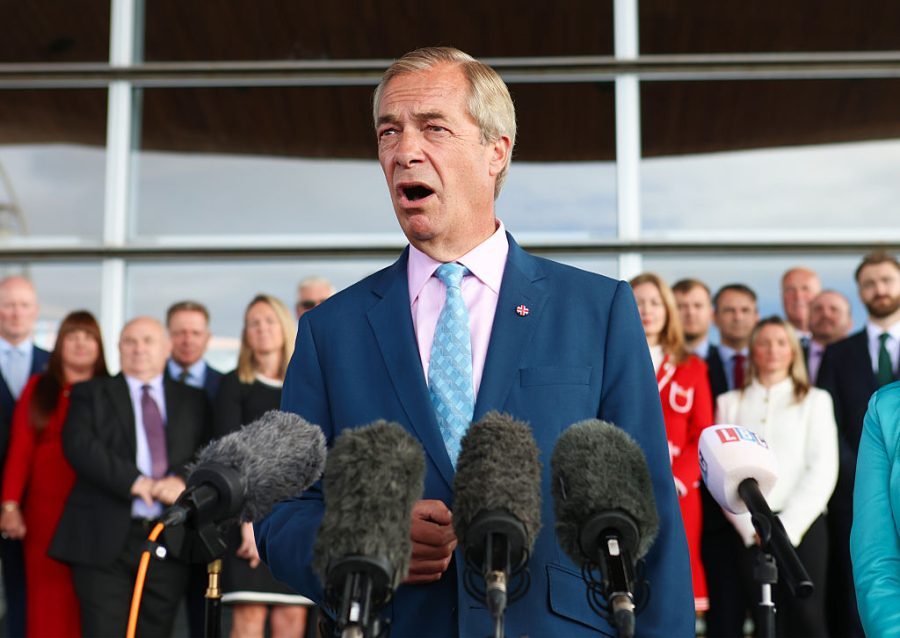
Small boat arrivals are down a bit. Meanwhile, Reform UK has had a difficult year over its donations and seen its vote eaten into by Restore Britain. Compound this with the arrival of a prime minister more energetic and popular than the last one and it has become possible to imagine Labour winning the next election – and with a healthy majority. On the other hand, it is possible to see the cavalry arriving over the hill to bolster Nigel Farage’s troops – in the shape of the slavery reparations movement.
The potential of slavery reparations to throw a hand grenade into UK politics should not be under-estimated. For the moment, the demands for compensation may seem a fringe issue, a bizarre joke even – especially the suggestion by a UN judge that Britain owed Caribbean nations £18 trillion and that this was an ‘under-estimate’ (for context, this is about six times Britain’s annual GDP).
The trouble is, though, for Caribbean and African nations it is very much not a joke. Many seem to have decided that the way to a brighter future is not so much development – such as that which has made some former western colonies such as Singapore wealthy – but the extraction of compensation cash from their former colonial masters. They are behaving like layabouts suddenly motivated by a daytime TV advert for an ambulance-chasing legal firm. Yet the UN appears to be on their side: in March, the UN General Assembly passed a non-binding motion by 124 to 3 for western countries to begin a dialogue to pay reparations. Since then, the campaign has intensified.
The case for reparations is quite obviously nonsense. You can’t compensate people who died two centuries ago. Many of their descendants have ancestors on both sides: slaves and slave-owners. Caribbean and African countries are demanding transfers of money on a nation-to-nation basis, which would have the perverse outcome of black UK taxpayers shelling out to fund public services used by wealthy white tax exiles living in the Caribbean. Legally, Caribbean governments are the successor organisations of the colonial authorities which owned and ran the plantations: surely if there are any liabilities to be paid it is them who should be paying the money, not receiving it. Moreover, haven’t western nations effectively paid billions of pounds of compensation over the years in the form of international aid to developing countries?
I doubt, however, whether any of these arguments are going to wash with the likes of the UN International Court of Justice, which seems a blatantly political outfit. In what real court would one of the judges actually lead the campaign in an issue which is likely to come up before him? The drive for slavery reparations is not logical; it is pure emotion, bluster and outright greed.
This is what makes it potentially deadly for the Labour party, several of whose MPs are very much active within it. At the weekend, Bell Ribeiro-Addy, MP for Clapham and Brixton Hill and chair of the all-party parliamentary group for Afrikan reparations, called upon Britain’s 2.4 million black population to join her fight. Why they would want to do this when it is they who would be paying, through their taxes, is not easy to discern. Clive Lewis, too, is an officer in the all parliamentary group. Nadia Whittome, Dawn Butler and Diane Abbot have also supported the cause, as did David Lammy while in opposition.
Is Labour’s leadership strong enough to reject the reparations cause in the face of left-wing activism? Andy Burnham, after all, has just said that he will support Keir Starmer’s decision to cede sovereignty of the Chagos Islands to Mauritius, a country which never possessed them in the first place. That was also on the back of a non-binding judgement from the UN court.
No one should be surprised that developing countries have taken that as a sign that Labour-run Britain could prove a pushover on the reparations cause. The government’s official position is still that Britain will not pay reparations, but pointedly it abstained rather than voted against the UN General Assembly motion in March.
If Burnham does not come out quickly and solidly against reparations, I think he will hand the initiative to the opposition parties who are prepared to condemn it. The reparations demands are only going to get louder, and somehow I don’t think that hard-pressed UK taxpayers, most of whose ancestors had nothing to do with the slave trade, are going to take kindly to the idea of paying yet more tax to hand over to ‘victims’ living several thousand miles away. What about my great-great-grandparents, who worked 14 hour days in the cotton mills, they might not unreasonably ask?
I sense that this might just be the issue which reboots support for Reform UK. If I were Nigel Farage, I would want those demands for trillions of pounds in compensation to keep on coming (as they will). I would make an absolute pledge never to pay a penny and to withdraw from the UN if that’s what it took. I would promise to lay a parliamentary Bill to claw back money personally from any MP who voted for reparations. Labour should be very careful to head off reparations as a political issue while it still – just – has the chance.
(personal highlights)
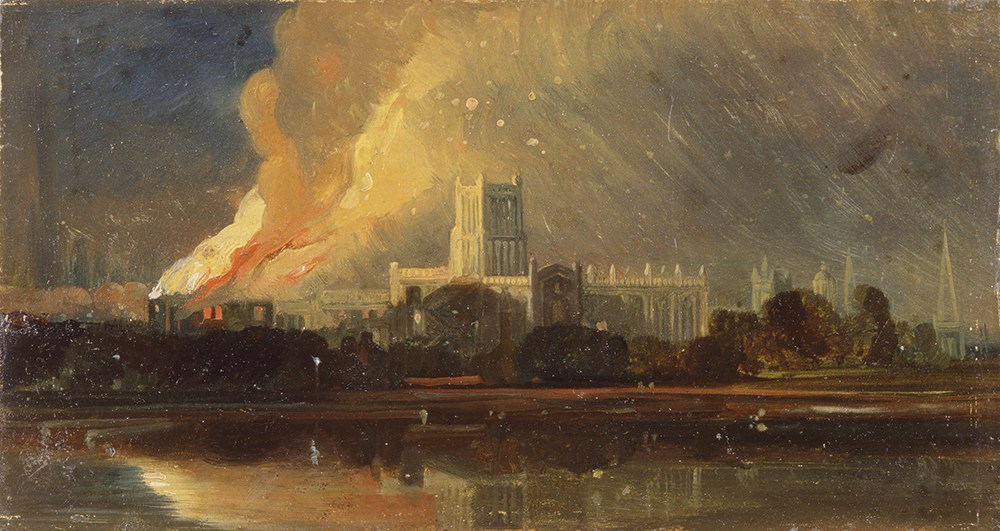
Regard the protestors. See how happy they are. Can you hear them whoop and whistle? The burning clock tower of the town hall has fallen inside the old building. Houp-là. How they whistle and whoop! The baying of such mobs in public places is as old as the history of towns and cities, the burning of buildings equally antique. Order and chaos, civilisation and barbarity, the call of the primeval.
Limoges has long been famed for its ‘arts of fire’, of the elements and crafts involved in the making of enamelware that reached its artistic zenith between the 12th and 14th centuries with a host of exquisite crucifixes, crosiers and tomb effigies, a hosanna of book covers and reliquary caskets. In 2017, Unesco awarded Limoges the honorary status of ‘Creative City’ in recognition of its traditions in the fields of arts and crafts. In 2026, vandals whooped as the ornate spire of the town hall’s clock tower plunged past a split pediment adorned by allegories of enamelling and goldsmithing, the city’s ‘arts of fire’.
Very few buildings have deserved this assault by the mob – the luxury of destruction – no matter how important the mob has believed, or believes, its cause to be. Limoges Town Hall, a debonaire French renaissance-revival design of the late 1870s was the work not just of the Parisian architect Charles Leclerc, but of artists and craft workers, of local masons and builders. These were workers who, in their different disciplines, gave to their city. Last Saturday, those who took away the dignity of Limoges were – if not in fact, then certainly in spirit – those who looted grand French shops in their lust for luxury goods, electronic gizmos and the sound of breaking glass.
Ah, yes, but for the French, this is, how you say, their way of expressing political dissatisfaction and has been since the revolution of 1789 and the reign of terror – such fun for the whooping, yelling, trick-and-tricoteusing mob. The French, though, are not alone. Across the Manche we have our own history of burning, looting, shrieking and yelling. Encouraged by Lord George Gordon, in June 1780, a 40,000-strong anti-Catholic mob marched on the old Houses of Parliament. How dare politicians think allowing treacherous Papists into the army a good idea. Down with the lot of them, and, of course, Catholics standing in the mob’s way.
Among the buildings torched were the Fleet, King’s Bench and Newgate gaols, Catholic churches, chapels and homes and, in a chaotic scene William Hogarth would have relished, Thomas Langdale’s Holborn gin distillery. Firemen arrived, accidentally pumping gin they mistook for water into the flames. Ignatius Sancho, who was born on a slave ship in the Atlantic Ocean and ran a grocery shop on Charles Street, Westminster, recalled how the mob attacked Catholic embassy chapels without mercy. ‘The Sardinian ambassador,’ he wrote, ‘offered 500 guineas to the rabble, to save a painting of our Saviour from the flames, and 1,000 guineas not to destroy an exceeding fine organ: the gentry told him, they would burn him if they could get at him, and destroyed the picture and organ directly.’ They went on to burn down the entire building.
The Gordon riots flamed on for five days, brought to a halt on 7 June when the mob marched on the Bank of England. Here they met musketry. By the time the smoke cleared, and the mob finally dispersed, the Gordon riots death toll stood at 285 with 200 wounded and 450 arrests made.
The Bristol riots of October 1831 made the toppling, defacement and immersion of the statue of Edward Colston by Black Lives Matter protestors seem little more than some boy scouts’ or girl guides’ weekend activity. Prompted by the House of Lords’s rejection of the second reform bill, a mob of Bristolians, some carrying ‘fireballs’ of tow and pitch, others broken railings and looted tools, set fire to casks of civic buildings and church properties. The crowd is said to have chanted, ‘Oh! It’s only Corporation property’ and ‘Down with the churches and mend the roads with them!’ The fires were visible from across the Bristol Channel. In captivating oils and watercolours, William James Müller, a talented 19-year-old Bristol artist, sketched the fires in a ‘live’ sequence: ‘The Burning of the Bishop’s Palace’; ‘The Burning of the Mansion House’; ‘The Burning of Queen Square: the Custom House’; ‘The Burning of the New Gaol’.
The events at Bristol were only the most dramatic of British riots that autumn. In Birmingham, the Royal Scots Greys were deployed yet sided with the protestors. This was not Waterloo, nor were working-class Brummies Napoleon’s Grande Armée. In July, 1919 army ex-servicemen were at the forefront of the Luton Peace Day riots. Luton’s mayor Henry Impey had read the King’s peace declaration that day outside the 1840s Doric town hall while looking forward to a slap-up banquet with fellow councillors and placemen, the bill footed by ratepayers enduring unemployment and a lack of housing among other social ills.
The King’s words and the prospect of the banquet went down with the crowd facing the town hall like a cup of blood siphoned from corpses on Flanders fields. A mob rushed inside, hurled chairs and tables from windows, ripped down Peace Day bunting, looted pianos, and returned that evening to set the building on fire singing ‘We’ll keep the home fires burning’. According to the Luton News, they severed firemen’s hoses and fought a pitched battle with mounted police, stabbing horses. Soon after midnight, the clocktower, added in 1856 in celebration of Britain’s victory over Russia in the Crimean War – the Catholic Sardinians were among our allies – toppled and fell. Troops in helmets and fixed bayonets arrived at three in the morning to restore order.
Immediately after the 872-day Siege of Leningrad was lifted in January 1944, street after street of what had been one of Europe’s most beautiful cities were lined with cardboard and timber façades of how they had looked before Nazi German designs on them. It remains a hugely touching gesture; in fact, more than a gesture, these façades represented a promise of what citizens would see and experience again in years to come. The restoration of Leningrad proved to be a marvel, so, too, that of the Tsarist palaces beyond its classical streets. Who, looking for the first time at the fairytale magnificence, the finely judged exuberance, of Peterhof or Catherine’s Palace could imagine that these stunning buildings and landscapes lay in ruins at the end of the second world war, deliberately wrecked by German military engineers and flame-throwing soldiers?
Who knows just how left wing the pyrotechnic demonstrators of Limoges and other French cities are, yet in communist Russia, a desecrated city was rebuilt, and not least because, as Russian architects have told me, these buildings, these streets, were the creation of Russian workers as well as architects and engineers. The same is true of Warsaw, almost completely erased by the Germans, its old centre faithfully restored postwar. In 1980 Warsaw’s Old Town was designated a Unesco World Heritage Site, ‘an outstanding example of a near-total reconstruction of a span of history covering the 13th to the 20th century’.
We know how wretched and incompetent governments can be, and yet the sheer braying luxury of being able to destroy historic buildings while craving branded luxury goods and costly disposable digital detritus from the broken windows of looted shops is so very vacuous, especially in the face of the recent histories of Leningrad (St Petersburg again, of course, since 1991) and Warsaw. What survives of us in the long term is architecture, along with the hands, minds, souls, dreams and desires of those who create it, from Tsarist palaces and 18th-century London gin distilleries to the town halls of Luton and Limoges.
Vultos... - o que quer que isso queira dizer...mas parecem-me mais "sombras"!
(Os óculos são um "must"...)
"Jovens veem que democracia não é adquirida"...- Mas...só viram agora?
Artistas? Só? E os proto-intelectuais?


(sublinhados pessoais)
No preciso dia em que, de acordo com o comunicado do governo francês, a “mobilização da extrema-esquerda e da extrema-esquerda radical”, com o concurso de alguns “delinquentes de oportunidade”, resultava numa das mais violentas jornadas político-sociais da História da França e da Europa contemporâneas, cronicava, oportunamente, um filósofo local num dos nossos jornais de referência:
“Mais do que a liquidação progressiva – já de si criminosa – das liberdades e dos direitos das democracias liberais, é a violência que marca a extrema-direita como anunciadora de futuros fascismos.”
Dir-me-ão que o tempo e o modo da filosofia são outros, mas o que dizer do tempo e do modo do nosso jornalismo, que, nesse mesmo sábado, 17 de Outubro, traduzia expressamente a comunicação do primeiro-ministro Sébastien Lecornu, “Aujourd’hui, des groupes d’ultra-gauche ont organizé la violence dans plusieurs villes de France”, por “Hoje, grupos de extrema-direita…” ? Valerá a pena apresentar queixa à ERC, tão rápida a aplicar sanções financeiras a quem ousa confundir cruamente “interrupção voluntária da gravidez” ou “saúde reprodutiva” com “aborto” e insiste em publicitá-lo? Talvez não.
O que é facto é que, em França, cerca de meio milhão de manifestantes de Esquerda, dos quais 100.000 em Paris – quem sabe, movidos pelo “fascínio pela violência” da Direita, evocado pelo luso filósofo, num daqueles comportamentos miméticos à René Girard –, parecem ter resolvido equivocar-se. Como? Traindo a índole da Esquerda e cumprindo a sonhada e profusamente antecipada “ameaça violenta da extrema-direita”. Agressões a polícias, queima de edifícios públicos, saque de grandes armazéns e de pequenas e médias lojas, não faltou nada. Que a violência não está na índole nem na tradição da Esquerda, até a Inteligência Artificial portuguesa e os seus programas de tradução automática o sabem; ou não teriam sido induzidos a cometer o acto falhado de traduzir “Extrema-esquerda” por “Extrema-direita”.
De qualquer forma, segundo o ministro do Interior francês, cerca de 2.400 detenções, perto de mil polícias e gendarmes feridos (sete com gravidade), cerca de 1.500 lojas vandalizadas e centenas de milhões de euros de prejuízo foi, só no sábado, o saldo das manifestações contra o custo de vida, a educação e a habitação. Tudo isto entre foices e martelos e dizeres anarquistas, com a extrema-esquerda, que ainda não percebeu que a emergência voltou a ser “social”, a insistir no keffiyeh, sempre útil numa guerra santa e nesta em particular, e a pontuar o vermelho mais em voga com as semi-depostas cores do arco-íris. Greta Thunberg também canalizou a sua proverbial indignação para o “protesto estudantil”, que agraciou com a sua miraculosa presença para um toque nostálgico de emergência climática.
“Qu’elle brule en entier!”
Em Limoges, umas centenas de manifestantes largaram fogo ao edifício da Câmara Municipal, um edifício do último quartel do século XIX, registado entre os monumentos nacionais de França. Havia funcionários municipais dentro, que conseguiram escapar pelas traseiras. Quando os bombeiros chegaram, uns 300 ou 400 manifestantes agrediram-nos berrando: “Vous ne passez, on s’en fout qu’elle brûle en entier!” O fogo propagou-se a todo o edifício e cerca das oito da noite de sábado o histórico campanário de 43 metros de altura ruiu, causando emoções contraditórias entre os manifestantes – uns, mais consternados; outros a rir e a aplaudir.
O princípio e os fins
Tudo começou por um carnet de doléances dos alunos liceais que, à partida, tinha alguma razoabilidade: a 18 de Setembro, em Créteil, Val-de-Marne, os alunos bloquearam o liceu, pedindo “igualdade de oportunidades” com os estabelecimentos de ensino equivalentes do XVIème Arrondissement de Paris, o bairro mais chique da capital. Houve conversas mais ou menos civilizadas dos representantes dos alunos com o reitor.
Mas eis que dois deputados de La France Insoumisse, Clemence Guetté e Louis Boyard (o mesmo Boyard que, em 2023, proclamara o “Blocus Challenge” e afirmara “Il faut crier un panique générale”, um belo programa para que “os amanhãs cantassem”), resolveram aproveitar a boleia dos miúdos.
E os amanhãs cantaram. As imagens de Créteil seguiram pelas redes sociais e Jean-Luc Mélenchon apelou aos pais e aos “militantes insubmissos” para responderem à “selvajaria policial”.
Decisivo para a escalada, foi o “Maire” de Saint-Denis, Bally Bagayoko, francês de raízes malianas e dirigente do La France Insoumise, que, talvez para evitar a “selvajaria policial”, se interpôs entre os estudantes e a polícia. E o próprio chefe do partido, Mélenchon, desfilou em Paris à frente da manif.
A ideia era desafiar o pot-pourri das famílias esquerdistas de França a enfrentar o Estado burguês na rua, fazendo uma revisão ideológica e voltando às causas sociais, para competir com a direita lepenista. Tal como Sanders e Mamdani ensaiavam nos Estados Unidos, deviam calar-se estrategicamente as novas causas do wokismo e voltar à linha dura marxista-leninista, declaradamente vermelha e violentamente insubmissa.
Assim, contrariamente aos fantasmas agitados, era afinal a extrema-esquerda europeia – com a francesa à frente – que, perante os progressos da direita nacionalista e popular nas urnas, preparava uma resposta violenta.
Lembre-se que as sondagens dão Marine Le Pen largamente à frente na primeira volta, com 32 ou 33%, ficando o esquerdista radical Mélenchon, o social-democrata Glucksmann e o centro-direitista Édouard Philippe a par, nos 15 ou 16%. A estratégia da extrema-esquerda é, assim, radicalizar, trazer o medo da rua, para que o seu candidato passe à final com Le Pen, tentando depois ressuscitar a maioria antifascista que elegeu e reelegeu Macron em 2017 e 2022.
Não deve funcionar, mas se não funcionar, os insubmissos, sempre contando com a ternura da generalidade dos media e com a “união antifascista”, preparam a revolução nas ruas, com incêndios, pilhagens, terror, para “parar a ultradireita”. O 17 de Outubro terá sido como que um ensaio geral.
E por cá?
Por cá traduzimos e traduzimos mal. Neste caso, felizmente, quanto à violência. Não era o Eça que dizia que Portugal era “um país traduzido do francês, em calão”? Nos nossos campos de férias, que não estão isentos de risco de escalada, há candidatos a vítimas que esperam ansiosamente que a polícia entre no jogo para a photo-opportunity, fazendo cordão atrás de enternecedores cartazes com nostálgicas palavras de ordem como: “Contra o Estado, contra o Capital: Guerra Social.”
Todos sabemos que o problema da habitação é real, mas também todos sabemos, ou devíamos saber, no que dão as boas intenções manobradas pelos líderes evocados pelos manifestantes e as sociedades que daí resultaram. Lenine é um dos mais citados nas nossas “acampadas”, onde, à falta dos votos de hoje, se cantam “amanhãs de ontem” – Grândolas, Bella Ciaos, vinte e cincos de Abril sempre e fascismos nunca mais.
(LBC) Estranho! Muito estranho!...Deve ter sido algo que aconteceu na semana passada e que espoletou isto...


“Se não tivéssemos obras novas, trabalhos novos ou infraestruturas novas, precisaríamos apenas de repor o mínimo indispensável, que seria de cerca de 500 engenheiros por ano. Estamos a formar 300, ou seja, nem sequer conseguimos assegurar essa reposição”, alerta Fernando de Almeida Santos, bastonário da Ordem dos Engenheiros, em entrevista a Miguel Frasquilho, anfitrião do programa Economia Sem Fronteiras do canal NOW. Perante o volume de investimentos previsto, “se fizermos as coisas ao longo de dez a 15 anos, precisamos de formar, no mínimo, 800 engenheiros civis por ano. Estamos muito longe desse número”.
O problema tem raízes na crise económica de 2011–2015, que reduziu a procura de engenheiros civis e contribuiu para tornar a profissão menos atrativa para os jovens. A quebra na construção teve consequências que ultrapassaram o período de contração económica. As escolas de engenharia, que chegaram a formar cerca de mil engenheiros civis por ano, passaram a disponibilizar um número muito inferior de diplomados. As áreas tecnológicas, a informática e a cibersegurança apresentam necessidades próprias, num contexto no qual a modernização da construção exige também competências digitais, considera Fernando de Almeida Santos.
Bastonário desde 2022, acrescenta que “temos de olhar para as várias dimensões da engenharia. A engenharia informática, a cibersegurança e a ciberdefesa têm carências diferentes das da engenharia civil, mas são áreas complementares. Se pensarmos que a modernização da construção exige construção digital, percebemos que também precisamos desses novos tipos de engenheiros”.
Para Fernando de Almeida Santos, é necessário atrair mais jovens para os cursos de engenharia. Refere que um dos principais obstáculos à atração de estudantes para a engenharia é que “ser um grande arquiteto ou um grande médico funciona do ponto de vista individual; um grande engenheiro esfuma-se um pouco num conceito de equipa e já não é tão distinguível individualmente”. Além disso, “a criação de novas engenharias nas áreas tecnológicas, aeronáuticas, que os mais novos gostam mais, tudo isso fez com que houvesse essa diminuição nas engenharias clássicas”, explicou.
Considera que seria de evitar que os recém-diplomados em engenharia optem pela consultoria e não sigam a engenharia, o que é “uma fuga de talento para dentro de Portugal, mas para fora da engenharia, é uma questão que também cria alguma complicação”. Defende ainda a criação de condições para que os portugueses que emigraram regressem ao país e, ainda, a captação de talento estrangeiro para responder às necessidades das empresas e dos projetos nacionais.
A emigração de engenheiros portugueses dirige-se sobretudo para países desenvolvidos do Norte da Europa, incluindo os países escandinavos, mas também para a Europa Ocidental e os Estados Unidos, sobretudo nas novas tecnologias e na aeronáutica, mas também nas áreas tradicionais, uma vez que têm falta de engenheiros. A qualidade da formação, o domínio do inglês e a procura internacional tornam os profissionais portugueses competitivos. O problema está na capacidade de Portugal para os reter.
“Somos favoráveis à internacionalização da engenharia portuguesa. Os nossos engenheiros podem trabalhar lá fora ligados às capacidades e às empresas portuguesas. Isso é completamente diferente de irem trabalhar para o estrangeiro e beneficiarem exclusivamente aquele país, porque, dessa forma, também criamos riqueza para Portugal”, defendeu Fernando de Almeida Santos.
“Do ponto de vista da retenção de talento, temos de ser muito mais assertivos”, defende. Fernando de Almeida Santos considera que as políticas públicas devem inverter a lógica atual. Em vez de assistir ao recrutamento de profissionais portugueses por outros países, Portugal deve desenvolver uma estratégia para atrair os seus engenheiros emigrados e captar profissionais no estrangeiro. Assinalou que, com as atuais “políticas públicas, este ano, já regressaram 70 mil pessoas a Portugal, mas não sabemos quantos são engenheiros”.
A Ordem dos Engenheiros tem procurado contribuir para esse objetivo mediante instrumentos de ligação à diáspora, como a aplicação “Engenheiros pelo Mundo”, e de protocolos de reconhecimento profissional com organizações congéneres de mais de 20 países, incluindo Angola, Reino Unido, Brasil, Espanha e Holanda. A instituição procura também promover a mobilidade internacional dos engenheiros portugueses, desde que esta possa gerar benefícios para a economia nacional.
“O nosso grande objetivo para o segundo mandato é a fusão por incorporação da Ordem dos Engenheiros Técnicos, e chegamos aos cerca de 85 mil engenheiros, inscritos na ordem”, afirmou Fernando de Almeida Santos, bastonário da Ordem dos Engenheiros desde 2022. Considera que esta é uma “reforma estrutural para a engenharia falar uma só voz e estou convencido de que vamos conseguir. Já fizemos tudo o que tínhamos de fazer, já está no Ministério e no Parlamento”.
Fernando de Almeida Santos é licenciado em Engenharia Civil pela Universidade do Minho desde 1991, e está no seu segundo mandato como bastonário da Ordem dos Engenheiros, ligação que começou em 1997 como delegado adjunto em Braga. Foi vice-presidente nacional da Ordem entre 2016 e 2022, ano em que foi eleito bastonário pela primeira vez. Em 2025 foi reeleito para o seu segundo mandato até 2028.
Salientou que a Ordem dos Engenheiros aproveitou as mudanças de estatutos das ordens profissionais impostas pelo governo para criar valor. “Criamos novos colégios, novas especializações, principalmente nas áreas tecnológicas”. Além disso, foram criados atos e competências dos engenheiros, “que não existiam”, concluiu Fernando de Almeida Santos.
(personal highlights)
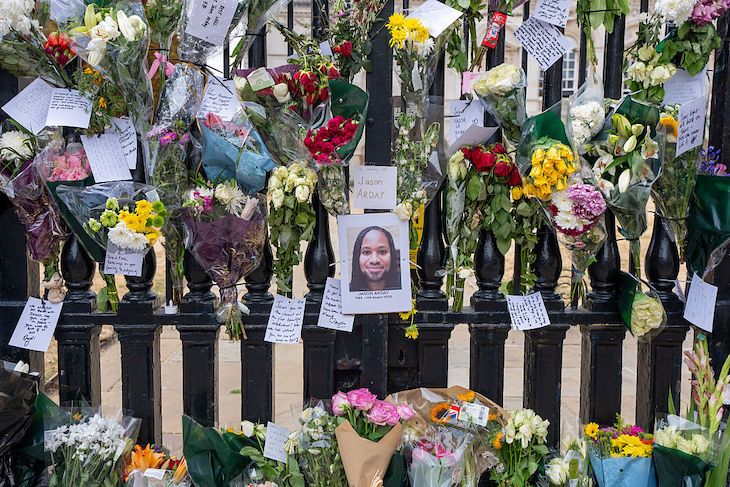
It’s been six weeks since the Jason Arday scandal came to its tragic conclusion, when the disgraced Cambridge professor was found dead at a flat in south London, after credible accusations of plagiarism, academic fraud and extensive fabrications about his personal life and achievements brought his career crashing down.
Arday’s death triggered a moment of ‘anti-racist’ hysteria the likes of which we hadn’t seen since 2020 and Black Lives Matter. At a vigil in Trafalgar Square, Lord Woolley, the principal of Homerton College, Cambridge, called Arday the victim of a ‘lynching’ – a shameful, racially charged accusation that glossed over the extensive claims against Arday, demonising journalists and whistleblowing academics purely for exposing his falsehoods.
At that point, it became clear this story was being rewritten and the great and good were determined to dodge awkward truths, preferring to construct a lurid fantasy in which Arday was British academia’s Emmett Till. The pilfered PhD thesis, the apparently falsified quotes in his academic papers, the tall tales of running ultra-marathons, raising millions of pounds, or appearing on television shows aired before his birth – none of this is now allowed to intrude upon the agreed narrative.
Thus, Cambridge, which was dragged kicking and screaming into taking the allegations seriously, has been (partially) let off the hook. It has watered down its investigation into the Arday affair before it has even really begun. It will now focus on whether Cambridge offered him sufficient support amid the storm. This is much more limited than what was originally promised, a day before Arday’s body was found, when Cambridge vice-chancellor Deborah Prentice said there would be a ‘thorough and transparent’ investigation into his 2022 appointment by the Faculty of Education.
This doesn’t bode well for Cambridge’s now-battered reputation. Of course it should be held to account for how it supported a colleague at his lowest ebb. But as an ancient institution, nominally committed to the pursuit of truth and academic excellence, it also owes the world an answer as to why it ever hired him to begin with – a man whose wafer-thin record was obvious even before the plagiarised passages began to surface. Was Cambridge desperate for a more ‘diverse’ faculty? Was the university dazzled by Arday’s fantastical backstory? Did it sacrifice standards on the altar of identity politics?
Those who think ‘standards’ are the last refuge of the racist are only betraying their own bigotry of low expectations, not to mention their ignorance of this case. As the New York Times has reported, when Arday was appointed as a professor of sociology of education, he was chosen over ‘three more senior scholars, including two women of colour’. Perhaps it was his origin story – he claimed he was illiterate until the age of 18. Perhaps it was his ‘scholarship’, infused with the fashionable bunk of critical race theory. Either way, it appears Cambridge chose Arday at the expense of more accomplished ethnic-minority academics.
Even so, if Cambridge prefers to self-flagellate over how Jason Arday, who clearly wasn’t well, was treated by the university, it might well ask: was it ever particularly kind to elevate a man way beyond his talents, and to indulge a man who had become a prisoner of his own fantasies? Arday was on a pedestal from which he was always, inevitably, going to be knocked off – as soon as someone began poking around his wild claims and questionable CV. The blame lies squarely with Cambridge for putting him there in the first place.
(personal highlights)

I moved on from most of my father’s automotive prejudices. He refused to buy from the Japanese ‘who treated our prisoners so cruelly’, French and Italian cars would ‘always let you down in the end’ and Fords were gaudy creations of ‘big-headed Americans’.
Instead, it was Volkswagen (VW) I never trusted. Stupidly stuck in a bygone era, I couldn’t get over that infamous 1938 photograph of Adolf Hitler, smiling with childlike delight, leaning over a miniature Beetle. Beside him, in a smart civvy suit, SS Colonel Ferdinand Porsche gleefully shows off the prototype. The foundation of Volkswagen is the definitive portrait of a dictator and his sycophants.
Okay, it’s 88 years later and I don’t like hearing about people losing jobs, even at VW. But I do detect a whiff of karma this week. One of the world’s largest automotive empires is in such trouble it plans to axe half its vehicle line-up and sack up to 100,000 workers globally. It’s not restructuring – it’s capitulation.
The Nazis never got round to building their ‘people’s car’; the second world war started and they used the expensively assembled VW hierarchy and factory to make V-1 flying bombs to terrorise Britain instead. VW engineers personally selected skilled Jewish metalworkers from Auschwitz and, by 1944, its production lines were manned by Soviet prisoners, political dissidents and Jewish inmates. They were subjected to a Nazi slogan that horrifically contrasted with VW’s later glib marketing. VW’s factory operated on the concentration camps’ ‘Vernichtung durch Arbeit’ principle: ‘extermination through labour’. Thousands were starved, beaten or worked to death in freezing conditions.
Post-war, the bombed-out VW factory was saved by well-meaning British officers led by Major Ivan Hirst, who restarted Beetle production to help local employment recover. Looking back, it was an extraordinary act of allied charity. Our own car industry went down the pan while a strange, rear-engined bubble car took over the world. We handed the keys of VW back to the Germans when we probably should have just pinched the whole bloody idea.
But credit where it’s due: what followed was a superb corporate reinvention, fuelled by brilliant engineering and a masterclass in marketing make-over. VW grew into a global colossus by investing up to £5 billion a year becoming the world’s biggest advertising spender.
Visionary advertising companies won awards creating wry, sophisticated lifestyle commercials that wiped away its past stains. In 1987, the world was seduced by a sexy woman storming out on her unfaithful husband, pulling off her pearls, dumping her ring… but after a tiny hesitation pocketing the keys to their VW Golf. ‘If only everything in life were as reliable as a Volkswagen,’ we were told with a knowing wink.
From the cheeky ‘love-bug’ ads in the 1960s, which implied that buying a Volkswagen was the natural byproduct of an active sex life, to the linguistic seduction of Audi’s guttural ‘Vorsprung durch Technik’ (‘progress through technology’) slogan in 1971, Western middle classes came to accept these standard mass-market vehicles as badges of high-status sophistication.
VW’s wooing of the West was backed by seriously good business. Replacing the obsolete Beetle with the front-wheel-drive Golf hatchback in 1974 created Europe’s undisputed top seller for decades. VW took ‘platform sharing’ (using the same mechanical chassis and engines for different models) to new extremes. A budget Skoda, youthful Seat and premium Audi could be bolted onto almost identical underpinnings. Production costs were slashed, profits soared.
Under the notoriously tyrannical leadership of chairman Ferdinand Piëch, grandson of the man who had smiled alongside Hitler, from 1993 VW swallowed icons like Bentley and Lamborghini. At its peak, the VW Group was the world’s largest automaker by revenue, a 12-brand empire pulling in more than €320 billion annually and churning out ten million vehicles a year. It was an industrial superpower second only to Apple on the global manufacturing stage.
It all shattered spectacularly in 2015 with ‘Dieselgate’. Unable to meet US emissions standards, VW’s engineers used illegal software to cheat instead. It meant VW cars passed the lab tests but were pumping out toxic gases up to 40 times the legal limit on the road. It was harmful corporate deceit on an industrial scale.
The scandal forced executive resignations, triggered criminal indictments, permanently shattered that expensively-acquired trustworthy façade – and cost the group more than €30 billion in penalties and legal settlements.
Desperate to scrub this toxic image, VW gambled its entire future on a multi-billion-pound transition to electric vehicles. For a brief moment, it seemed it might work, but corporate hubris remained. In its rush to match EV rivals, VW fitted flawed infotainment software causing massed product glitches. Meanwhile, agile Chinese brands were winning a brutal price war. The bill for years of strategic miscalculations arrived, setting the stage for today’s collapse. Management is even contemplating building Chinese cars in Germany just to fill factory lines.
This is a parable for industrial Europe’s decline. Now under the German system of Mitbestimmung, slow-moving committees of local politicians and union bosses sit on the board. They don’t seem to care about building great cars or beating the Chinese; they seem to want to protect their votes, gold-plated employee bonuses and local jobs for local people.
When run by obsessed tyrants, the company conquered the world; but when run by progressive, focus-grouped committees, it engineered its own demise.


