


F.C.P - S.C.P. em andebol
E se este país for mesmo diferente? E se nós formos mesmo mal formados, estúpidos, pobrezitos de mente, atrasados da cuca?
Sobretudo no desporto!...
Cá vamos, cantando e rindo...


(sublinhados pessoais)
O Ministro da Defesa da Alemanha, reiterou a ideia de que a guerra no Irão, “não é a nossa guerra”.
Parece uma frase prudente, sensata e madura, afinal o Irão não é na Europa. Mas na verdade é apenas uma forma elegante de justificar a rendição mental, e a recusa de agir.
PUB • CONTINUE A LER A SEGUIR
O problema começa muito antes, numa disposição cognitiva dos países europeus, hoje transformada em catecismo. A convicção de que o uso da força representa, por definição, um mal e si, e tudo se pode resolver com diálogo e moderação. A tese parece nobre, e por isso seduz. Mas, examinada de perto, é apenas uma necessidade psicológica. Consola-nos do mundo, mas não o descreve. Como todas as ilusões reconfortantes, resiste ferozmente aos factos.
Quando o Irão contradiz, pelos seus actos, esta ilusão, a mente europeia, em vez de rectificar o diagnóstico, corrige a realidade. Reescreve o que o Irão faz. Mesmo quando os aiatolas fazem exactamente o que dizem; mesmo quando o regime diz exactamente o que quer, em slogans, leis, mísseis e sangue; mesmo quando o povo iraniano se levanta e grita, à sua maneira, que o problema não é um mal-entendido diplomático mas uma tirania impiedosa e fanática. Ainda assim, a reacção reflexa de boa parte das elites ocidentais é falar por cima e reinterpretar. Ah, eles não querem realmente dizer isso, há moderados a emergir, desta vez será diferente.
Mas eles querem realmente dizer o que dizem, não há “moderados” a brotar do sistema e nada será diferente do que tem sido.
Desde 1979, o regime iraniano tem dito explicita e repetidamente ao que vem. Jurou destruir os EUA e Israel. Fez da hostilidade um programa, da intimidação uma linguagem e de exportação do terrorismo uma estrutura de poder. Em 2023, Khamenei explicou, com todas as letras, que o acordo nuclear de Obama fora apenas uma táctica, e que o regime nunca tencionara honrá-lo. Disse-o com a naturalidade de quem confessa a mentira e espera, não o descrédito, mas nova rodada de conversações. E obteve-a. O mundo ouviu a confissão e marcou outra reunião. Há ingenuidades que, ao fim de várias décadas já não merecem esse nome.
A frase “não é a nossa guerra”, só se torna possível neste ambiente moral de evasão.
Não é a nossa guerra? Pois não. É apenas a nossa energia, o nosso comércio, a nossa segurança, os nossos aliados e o nosso futuro. O estreito de Ormuz, por onde passa uma fatia colossal da energia mundial, não será livre por milagre geográfico. O Bab el-Mandeb, cuja perturbação basta para encarecer fretes, atrasar rotas e pressionar cadeias logísticas, também não é apenas uma curiosidade num mapa. E os grandes hubs aéreos do Golfo, nós centrais da circulação global de passageiros e mercadorias, não são apenas uma particularidade oriental sem qualquer influência sobre a vida de um continente que importa energia, depende do comércio e gosta muito de férias. É por isso que é difícil decidir onde acaba a miopia e começa a paródia.
A verdade é que esta guerra já entrou em nossa casa sem pedir autorização. Está no preço dos combustíveis, no custo dos transportes, na volatilidade dos mercados, nos seguros, nas facturas de energia, nas cadeias de abastecimento. Uma guerra muito pouco nossa, portanto, segundo alguns líderes, mas suficientemente íntima para se sentar à mesa connosco. O prodígio lógico do europeísmo contemporâneo consiste precisamente em declarar exterior aquilo que já nos determina interiormente. É uma forma curiosa de soberania, esta de sermos afectados por tudo e responsáveis por nada.
Mas a questão é sobretudo estratégica. O Irão não é uma potência satisfeita com a mera sobrevivência, segurança, bem estar ou influência. Quer hegemonia, preponderância, revolução, extermínio.
Há décadas que constrói, com disciplina e persistência, um sistema de projecção indirecta do medo que assenta em proxies armados, coerção marítima, intimidação regional, chantagem energética, acumulação de mísseis e drones, profundidade estratégica e ambição nuclear, tudo embrulhado em profecias milenaristas. Tudo isto está à frente dos nossos olhos E quem se recusa a ver propósito onde ele entra pelos olhos dentro, acaba sempre por mal.
Perante este quadro, a inacção é baptizada com eufemismos. Os ingénuos chamam-lhe contenção. Os pretensiosos preferem “evitar a escalada”, expressão muito útil porque permite assistir à escalada real enquanto se finge combatê-la com frases. A História, nada impressionável com cortinas de fumos e linguagens criativas de apaziguamento, decreta apenas que o problema de adiar o preço a pagar, acaba por o tornar incomportável.
Se a presente guerra não tivesse eclodido agora, por decisão consciente de quem resolveu enfrentar o problema, em vez de o negar, não teríamos como alternativa um horizonte de entendimento pacífico entre e República Islâmica e as democracias fatigadas. Teríamos, isso sim, uma guerra futura em condições muito mais favoráveis ao grande disruptor da região, que estaria então mais armado, mais entrincheirado, mais nuclearizado, mais confiante e mais capaz de subjugar os adversários pela simples credibilidade da ameaça.
Além disso é obsceno fingir que Israel é um detalhe local de uma querela distante. Um Irão não neutralizado nos seus objectivos e capacidades não precisa sequer de conquistar formalmente o Médio Oriente. Basta-lhe persuadir todos de que pode destruir quem lhe resiste, estrangular quem depende das rotas que ameaça e impor custos intoleráveis a quem o desafie. Está a mostrar que não hesitaria em fazê-lo. A subjugação não precisa de ocupação. Começa quando o inimigo convence os outros de que resistir lhe sairá demasiado caro. É esse o ponto em que a fraqueza alheia passa a ser a sua força.
Há, porém, um erro ainda mais grave no raciocínio europeu: a suposição de que todos os regimes calculam como nós, de que todos pensam de forma igual.
O mundo não é assim. Há sociedades que valorizam prosperidade, estabilidade, melhoria do bem-estar e gestão eleitoral do descontentamento. E depois há regimes ideológicos, revolucionários e milenaristas, para os quais o sofrimento da própria população é apenas matéria-prima ao serviço dos objectivos dos líderes, e não, como no nosso caso, um travão moral.
A sensibilidade europeia, habituada à dinâmica do preço das cenouras e dos nabos, imagina que uma subida de preços ou algum incómodo social bastam para moderar qualquer poder, e projecta sobre Teerão a psicologia da couve de Bruxelas. É um erro infantil, que se torna perigoso quando a infantilidade se instala em gabinetes ministeriais.
A posição do Sr Pistorius é, por isso, errada e desastrosa. Ao dizer que “esta não é a nossa guerra”, oferece de bandeja aos isolacionistas americanos que detestam a Europa e a Ucrânia, e admiram a Rússia, a fórmula exacta de que precisarão para responder, amanhã, que a guerra na Ucrânia também não é a guerra deles.
E, no dia em que Washington, farto de sustentar a segurança de um continente rico, mas estrategicamente estúpido e ainda militarmente subnutrido, aplicar à Europa o mesmo princípio de indiferença de que a Europa se ufana para o Golfo, veremos então muitos supostos estadistas redescobrir, entre suspiros e manifestações de preocupação, que a geografia existe, que a História não acabou e que a protecção americana não é um fenómeno atmosférico.
Se, no século passado, os EUA tivessem olhado para a agressão nazi e concluído, com ar de merceeiro prudente, que não era a sua guerra, a Europa teria aprendido em alemão correcto o preço da neutralidade alheia. Dizer hoje o mesmo, num continente que continua dependente da arquitectura estratégica americana, é de uma irresponsabilidade quase pornográfica. Sobretudo quando se insulta Washington de manhã e se espera salvação à noite.
E aí temos o lamentável exemplo da Espanha de Sánchez, que acrescenta à miopia, a ideologia de esquerda antiamericana e a solenidade declamatória do vazio, assente na ilusão de que um slogan substitui um pensamento.
“Não à guerra”, repete, como se gritar “não ao fogo”, apagasse um incêndio. O governo espanhol porta-se como se a condenação verbal da guerra impedisse os mísseis de voar, os regimes de ameaçar e os fanáticos de avançar. E não percebe que apenas sinaliza ao Irão que, do lado europeu, continua a existir uma abundante reserva de cobardia e estultícia, embrulhada em virtude retórica. A certa altura, a pose pacifista deixa de ser convicção e passa a ser parasitismo, Beneficia da ordem assegurada por outros, mas denuncia o esforço necessário para a manter.
No fundo, a frase alemã e a coreografia espanhola dizem-nos muito sobre a Europa. Revelam uma classe dirigente viciada na gestão do imediato e incapaz de pensar o estrutural; gente que troca estratégia por mercearia, valores por sondagens, liberdade por descontos temporários e segurança por palavreado ideológico Uma classe que se preocupa com o preço dos brócolos hoje, e mostra-se alegremente disponível para que, amanhã, os seus povos paguem com juros o preço da energia, do comércio, da soberania, da segurança e, por fim, da própria liberdade.
“Não é a nossa guerra”, dizem eles.
Pois não. São apenas os nossos mares, os nossos combustíveis, os nossos aeroportos, os nossos mercados, os nossos aliados, a nossa vergonha e o nosso futuro. Um continente que já não reconhece como sua uma guerra capaz de decidir o grau da sua dependência perante Rússia, China ou Irão está em decadência. E quando a decadência começa a falar em tom moral, já não se trata de prudência. Trata-se de cobardia armada em virtude. Que se paga com submissão, chantagem, e medo. E com a liberdade.
Quando finalmente chegar a factura, será inútil explicar ao credor que, em tempos, tudo aquilo “não era a nossa guerra”.
(personal underlines)
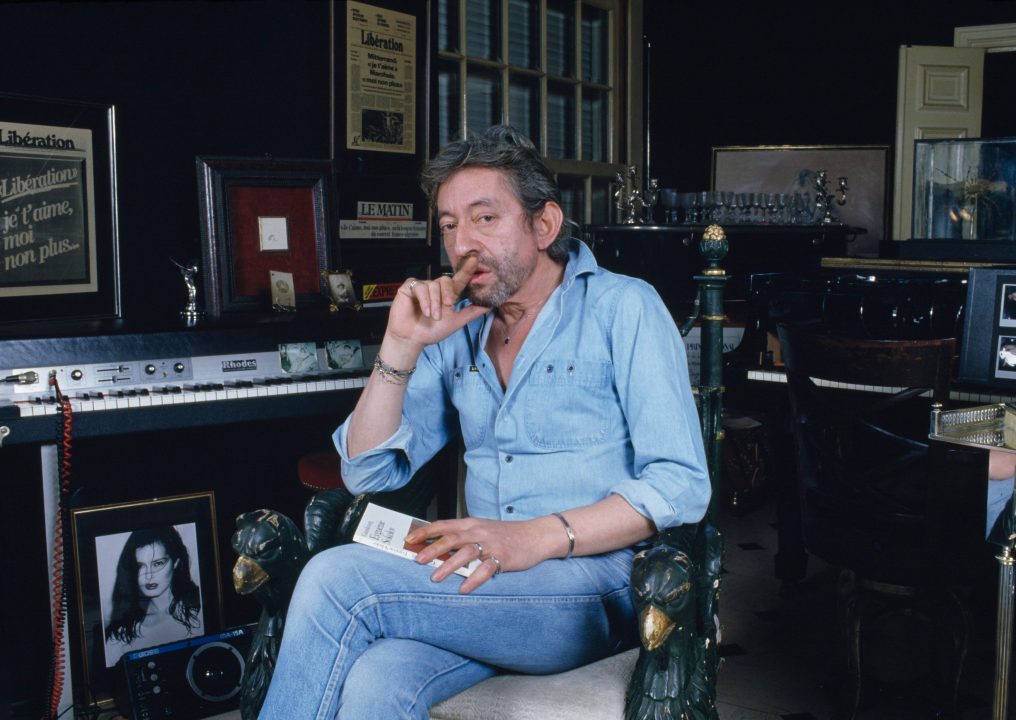
Yesterday marked the 35th anniversary of the death of Serge Gainsbourg at 62 from a heart attack. The only real surprise is that he ever made it to such an age. Gainsbourg, whose unlovely but strangely beguiling countenance can best be likened to a garden gnome left outside in the rain for too long, was a performer and composer who epitomised French popular music of the 1960s and 1970s in all its bizarre contradictions. Compared to such wholesome British figures as Cliff Richard and Tom Jones, Gainsbourg was a seedy, almost sinister figure whose demeanour gave off an odour of stale aftershave, Gitanes and day-old red wine.
That he was also a songwriter of genius who has influenced countless other musicians – everyone from Jarvis Cocker and Radiohead to R.E.M and Neil Hannon – should not be ignored or belittled. His greatest albums, such as 1971’s Histoire de Melody Nelson, are classics of popular music that should be taken seriously by anyone who loves complex and beautiful songs. Yet Gainsbourg’s undoubted musical talent is often obscured in popular memory by his rumpled lechery and personal eccentricities.
He became notorious in Britain when he recorded the song ‘Je t’aime… moi non plus’ (‘I love you… I don’t love you either’) with his former lover Jane Birkin in 1969 (having originally recorded it with his other inamorata Brigitte Bardot). Its combination of heavy breathing, frankly sexual lyrics (‘Tu es la vague, moi l’île nue’ sounds far less sensual in English: ‘You are the wave, me the naked island’) saw it banned from radio airwaves in Britain and led to the duo being denounced by the Pope, whom Birkin later referred to as ‘our best PR man’. It was rumoured that the song contained the sounds of Gainsbourg having sex with Birkin, which the singer denied on the grounds that, if it had done, it would have been a 45-minute LP, rather than a four-minute pop song.
Gainsbourg was as far from other leading French pop stars of the day – such as the ‘Gallic Elvis’ Johnny Hallyday and the brilliant chanteuse Francoise Hardy – as it was possible to be. Both Hallyday and Hardy might have had their own eccentricities and ego issues but both were, ultimately, professionals who were accordingly rewarded with lengthy and successful careers. Gainsbourg, however, was someone who was apparently bent on self-destruction in every conceivable form. It is a source of discomfort even to his greatest admirers that he recorded a song called ‘Lemon Incest’ in 1984 with his 13-year-old daughter Charlotte, just as it was unfortunate that he once informed Whitney Houston live on French television: ‘I want to fuck you.’ The embarrassed host swiftly remedied the situation by telling the uncomprehending Houston: ‘He thinks you’re great.’
Yet for all his bravado, seediness and absurdity (which included an ill-advised diversion into reggae in the late 1970s), Gainsbourg died beloved: a national hero who was eulogised by then-president Francois Mitterrand as ‘our Baudelaire, our Apollinaire’ and as someone ‘who elevated the song to the level of art’. There is something gloriously, quintessentially French about Gainsbourg: a man who always seemed to be in on the joke, even as he did and said things that would have him cancelled in our now-censorious society before you could say ‘dirty old frog’. Not for nothing was his final film as writer and director simply entitled Stan the Flasher in 1990.
Perhaps his greatest moment came, late in life, when Gainsbourg’s song ‘Je suis venu te dire que je m’en vais’ (‘I came to tell you that I’m leaving’) – a typical piece of ennui-soaked existentialism – was performed in front of him, live on national television, by a group of choristers. The boys wielded whisky glasses and prop cigarettes, and dressed in Gainsbourg’s inimitable style of sunglasses, stubble, jeans and sports coat. As they sang the now reworded song, ‘On est venu te dire qu’on t’aime bien’ (‘We came to tell you that we love you’), the disreputable old Gaul was honestly and sincerely moved to tears. The clip has deservedly gone viral since and been used in countless memes online. But it says much about Gainsbourg, and about the country he bestrode like an especially dirty Colossus, that someone as eccentric and disreputable as him might still be held in such high regard.
France has never had another Serge Gainsbourg and, if one emerged today, he would be cancelled before you could even say ‘Je t’aime’. For the sake of the country’s morals and France’s dry cleaning bills, that is probably just as well. But as a homage to Europhile gaiety as well as some marvellous music that stands far better today than 90 per cent of what was being recorded in this country, the baffling, maddening, brilliant Gainsbourg lives on forever. All we can say to that is santé.
En 1988, lors d'une émission avec Patrick Sébastien, les Petits Chanteurs d'Asnières interprètent On est venus te dire qu'on t'aime bien sur l'air de Je suis venu te dire que je m'en vais, avec un verre de jus de pomme dans une main et une cigarette en chocolat dans l'autre, en hommage à Serge Gainsbourg qui n'y résiste pas et fond en larmes, entraînant l'émotion du public et du présentateur.

(personal underlines)
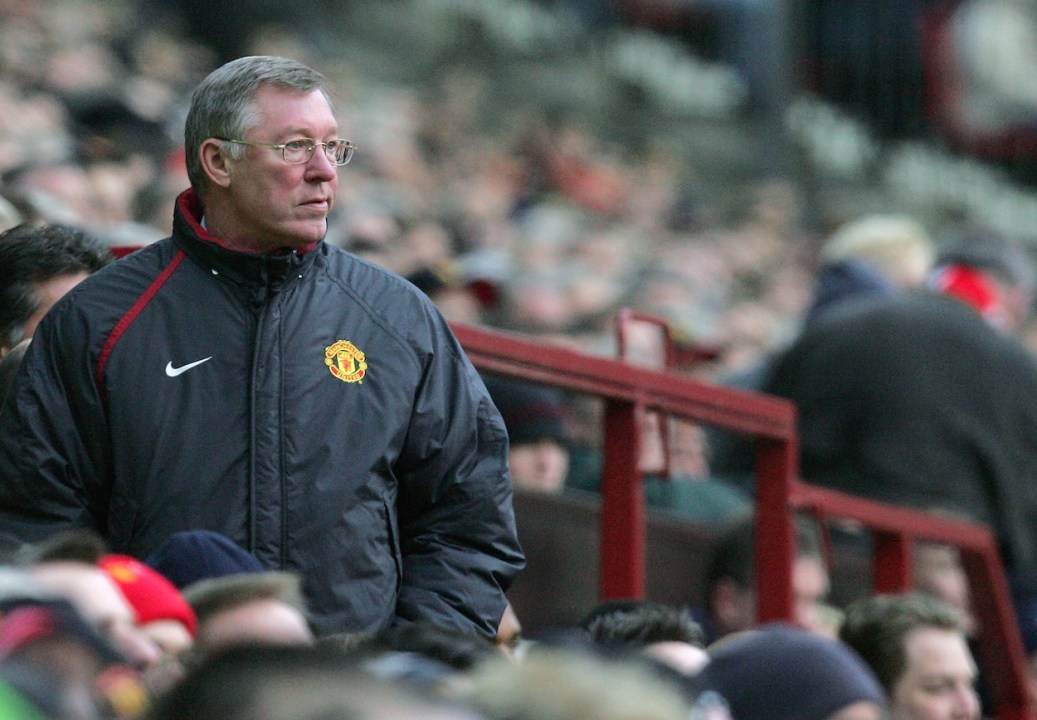
It is testament to the decline of Manchester United that the sacking of their manager, Rubin Amorim, on Monday has been treated as a second-order story. True, rather dramatic events in South America have put such things into their perhaps proper perspective, but you do feel that even if it were an especially slow news day, this once momentous event at English football’s second most successful – and some would still say greatest – club wouldn’t have elicited much more than a shrug.
Amorim has gone out with a bit of a whimper, though the unkind might say he never really arrived. His departure, it appears, was precipitated by a confrontation with director of football Jason Wilcox over a clash of responsibilities. Amorim issued a ‘strong statement’ after the club’s 1-1 draw with Leeds United insisting he wished to be the manager of Manchester United, not just the coach – suggesting he wanted more power over the club’s transfer policy.
He may have a point there. I’m sure I’m not alone among football fans in finding the manager/director of football dichotomy opaque and confusing. It’s a bit like the relationship between the lyricist and writer of the book in a musical, or that between the producer and executive producer of a film. Surely it’s the same job?
Or ought to be? Having one person bringing players into the club and another trying to make those players – whom he hasn’t chosen and may not fancy – fit into his idea of how a team should play sounds like a recipe for disaster. Amorim isn’t the first to fall foul: Manuel Pochettino and Jose Mourinho at Spurs both departed under similar clouds, while Celtic fans are currently splitting their never-short rations of abuse between their hapless new manager and the board.
Alternatively, it could be argued that the whole business of recruiting players, once done with a sit-down with the family if it was a youngster, or a handshake and perhaps a brown envelope in a service station car park if they weren’t, is now a complex globalised business requiring agents, linguists, lawyers and, yes, directors of football and perhaps the board of directors too. We are not in David Graeber (Bullshit Jobs) territory at all. The roles have become separate and both are necessary.
Amorim’s job title was coach, though, so perhaps he shouldn’t have complained. But his job satisfaction must have been minimal, as it must be for many managers these days. Long gone are the days of the all-powerful dug-out tyrants, most famously Alex Ferguson, but also Brian Clough, Bill Shankly and Jose Mourinho (in his Chelsea prime). It must feel at times that the role of the manager/coach these days is to occupy a space, to soak up the ire of the fans in the inevitable lean times, acting as a human shield for those higher up the chain of command but far lower down in the public consciousness.
The danger is that players may be sensing this increasing impotence from their line manager. Where once Alex Ferguson’s hair-dryer treatment, or a flying boot across the dressing room, could focus minds and galvanise teams, now the power has decidedly shifted. Amorim could say what he wanted, but if the dressing room knew he wasn’t really the one calling the shots – and might not be around for long anyway – it would likely have fallen on deaf ears.
This is a particular problem at desperate clubs – those that in the recent past had enjoyed great success and are frantically trying to resurrect themselves to satisfy their rabidly demanding fans and premium-paying sponsors. Clubs tend to go slightly mad in these circumstances. Liverpool had a desperate period with no title for 20 years and developed a micromanaged recruitment and player-management system as a result, before they finally cracked it – thanks to a dynamic and inspiring one-off manager. Manchester United are coming up on 15 championship-less years and appear to be developing similarly obsessive tendencies, but with no saviour in sight.
Which is very bad news for the Red Devils. In such circumstances, the players – or more likely their agents – will know that they can extract terms well beyond their player’s true worth and secure hard-to-terminate contracts that will see their clients comfortably ensconced for years, even if their form fails them. It’s football’s version of the moron premium. The Daily Telegraph recently published a list of the 71 best and worst signings of United’s post-Ferguson era; many of the (many) duds stuck around for ages, picking up massive wages and contributing precisely nothing.
For the fans, it is awful. Just as with a major Hollywood flop, there are so many people involved in a bewildering array of seemingly overlapping roles that it can be next to impossible to determine why the resulting production was such a mess. So, with underperforming super-clubs, you not only have to sit through the regularly dire performances, you can’t even enjoy hurling abuse, as you don’t really know who to blame.

(sublinhados pessoais, remoques silenciosos)
Afirmei há 15 dias, no Observador, que isto estava em preparação. Agora os factos vieram dar-me infelizmente razão e o que se cozinhava concretizou-se: no passado dia 25 de Março, por proposta do Gana, a Assembleia Geral da ONU deliberou que o tráfico transatlântico de escravos foi o mais grave crime contra a humanidade. Reparem que não foi um crime contra a humanidade — algo que já fora definido há 200 anos, ainda que noutra terminologia, e com que, ao que suponho, todos certamente concordamos — foi, segundo a ONU, o maior, o mais grave, de todos eles. Sim, leram bem, maior do que o Holocausto, por exemplo, ou do que dezenas de outros grandes e devastadores crimes que se cometeram no passado e que é histórica e moralmente impossível de hierarquizar entre si. Os nossos antepassados que no século XIX lutaram contra o tráfico transatlântico de escravos e lhe puseram fim classificaram-no como “crime contra as gentes” — era essa a designação da época —, mas nunca afirmaram que fosse o maior de todos eles pois não havendo (e continuando a não haver) escala que permita medir tais coisas isso seria um manifesto absurdo.
Foi esse passo absurdo que a ONU veio agora dar para fazer a boca doce aos objectivos políticos dos países africanos e à sua visão dos acontecimentos da história universal. Que esta aberração tenha sido votada favoravelmente por 123 países, incluindo, claro está, o Gana e os países africanos que a propuseram e os das Caraíbas que andam há muito a prepará-la, e faróis dos direitos humanos e da não-violência como, por exemplo, o Irão, não deverá espantar-nos. Também não deve espantar-nos o discurso seguidista e esponjoso, que António Guterres fez na ocasião pois corresponde ao que de há muito nos habituou. Aliás, nunca tive dúvidas de que sendo a ONU aquilo que é, a proposta do Gana iria passar facilmente e teria em Guterres um apoiante e acólito. Mas tinha curiosidade em ver qual seria a posição europeia e tinha, confesso, a esperança de que fosse clara e francamente contrária às pretensões do Gana. O que me espanta e revolta é que só tenha havido três votos contra essa pretensão — os dos Estados Unidos, da Argentina e de Israel — e que tenham sido contadas 52 abstenções entre as quais as dos países da europeus, tanto os que tiveram um passado colonial em África, como o Reino Unido ou a França, como os que nada tiveram a ver com esse quadro, como sejam a Hungria ou a Albânia. O facto de todos esses países se terem abstido revela bem até que ponto o trabalho de sapa levado a cabo ao longo de décadas nas escolas e universidades, adubado pelo wokismo de tempos mais recentes, conseguiu plantar eu fazer frutificar um sentimento de culpa das populações europeias brancas relativamente à história colonial de algumas delas.
Portugal foi um dos países que se absteve, quando, em minha opinião, deveria ter votado contra pelas razões que ando a defender há anos e que expliquei de forma mais específica no artigo no Observador já referido acima. A abstenção do nosso país na votação do dia 25 de Março e a sua dificuldade em (ou o seu receio de) assumir frontalmente que não faz qualquer sentido histórico ou filosófico classificar uma violência como sendo a maior de todas, e que o único propósito que isso tem é o de ir preparando os espíritos de governantes, governados e legisladores para o futuro pagamento de reparações, são a meu ver vergonhosas. Igualmente vergonhoso é que o governo não se tenha dado ao trabalho de explicar esta sua posição ao país. Nesta área, como, aliás, na área do ensino da História, o governo evita falar. Não quer comprometer-se nem dar nas vistas. Avança pela calada, cosido com as paredes para não se fazer notado, procura camuflar-se e dissolver-se no meio dos seus congéneres europeus. A interpretação mais benevolente é a de que não tem qualquer posição quanto a isto e que anda a reboque de Bruxelas numa espécie de “Maria vai com as outras”; a tese mais dura, mas provavelmente mais próxima da verdade, é a de que, à semelhança de Marcelo Rebelo de Sousa, os nossos actuais governantes Luís Montenegro, Paulo Rangel e outros altos responsáveis pelo Ministério dos Negócios Estrangeiros consideram que o tráfico negreiro praticado pelos europeus foi, efectivamente, o maior crime contra a humanidade alguma vez praticado e que isso merecerá castigo, pedidos de desculpa e uma gorda indemnização, estando dispostos a pagá-la.
É para mim claro que quando o nosso representante na ONU se abstem em vez de se opor frontalmente a algo que é absurdo e que visa, de forma explicita, obter reparações materiais pelo tráfico transatlântico de escravos e a escravidão — e, futuramente, pelo colonialismo — tem a perfeita noção, tal como o governo em Lisboa também a terá, de que esse voto equivale a um “nim” e que é meio caminho andado para vir a anuir, num próximo futuro, a pagamentos aos países africanos e caribenhos. Terão, também, provavelmente, a convicção de que é preciso esconder isso do país, pois é o que têm feito. Ora tudo isto é lamentável, tanto a acanhada, frouxa, encolhida, abstenção, como o facto de ela ter sido preparada e efectuada às escondidas dos portugueses. Por que razão se votou desse modo? Com que fundamentos lógicos e históricos? Com que objectivos diplomáticos e políticos? Com que razão, nexo e moral? Como eleitor que votou na AD e que tem apoiado a sua acção governativa sinto-me profundamente frustrado e desiludido com este posicionamento do governo português. Esta abstenção é uma vergonha para nós e não augura nada de bom.

Série irlandesa de 6 episódios, um tenso drama policial cheio de suspense
Numa aldeia isolada no noroeste da Irlanda, com as suas próprias leis e códigos de conduta, o corpo de uma mulher desaparecida há quinze anos é encontrado numa turfeira. Para Conall Ó Súilleabháin, agente da polícia e filho da vítima, esta descoberta reacende um trauma familiar que irá abalar toda a cidade. Conall está proibido de investigar, mas isso não o vai impedir. Entretanto, a jovem jornalista Ciara-Kate decide produzir um podcast sobre o caso. Conall rapidamente percebe que Ciara-Kate consegue ter acesso a pessoas que se recusam a falar com a investigação oficial. Se Conall quer justiça para a mãe, não lhe resta outra opção senão unir forças com a jornalista. A investigação leva-os por um caminho sombrio e levanta a questão: será que a justiça é realmente cega?
(personal underlines)

Back in the early 1990s, I was a teenage visitor to an array of dilapidated Victorian cow sheds masquerading as third and fourth division football grounds as I supported my team, Wrexham FC, on their travels.
There were still many pre-Hillsborough fences in place, some of which (most notably in the away end at Crewe Alexandra’s Gresty Road ground) successfully blocked around 90 per cent of the view of the pitch for visiting fans. The catering usually only extended to ‘botulism in a bap’ burger vans and it was always, always cold.
But what I remember most clearly from those far-off days was the voice register of the fans when things went wrong. Conceded goals and poor refereeing decisions were met with a deep, bronchial, collective growl, which seemed to radiate from the damp concrete steps all the way up my spine. It was all wonderfully adult to my young ears, and I couldn’t wait for my voice to break so I could join in.
Something odd has happened since then. When I attend games involving my now all-but-unrecognisably successful club (Wrexham were taken over by Hollywood actors Ryan Reynolds and Rob McElhenney in 2021, prompting three successive promotions – we are now just one level below the Premier League) I find the voice register has gone up several octaves. Fans today are more hysterical and quicker to moan – and it affects their vocal cords, resulting in a higher pitched shrieking among adult males than in the past.
The game, at its best, is still joyous, but I can’t help but find supporters of a younger generation less stoic, more entitled and generally less able to tolerate anything below perfection. What gives me hope that fans won’t completely morph into a bunch of polyester-clad divas, though, is that one of the biggest moral lessons a man can ever learn via football remains extant. Because, despite the vapidity and lucre that’s all but drowning the modern game’s essence, supporting a football club still equals lifetime monogamy.
If you follow Notts County and you become bored of the lower-league grind, nipping across the River Trent for a glamorous bit-on-the-side with Premier League Nottingham Forest is an absolute impossibility – unless you are willing to see every last shred of your credibility and status as a fan permanently erased overnight.
This application of total fealty is the only thing that still stops football becoming just another realm of the entertainment industry. If you don’t like the new Bond film, you don’t have to watch one ever again. If you don’t like losing 4-0 to Fleetwood then tough luck mate – you may well have to witness it all again at Stockport next Saturday.
Wolverhampton Wanderers are having one of the worst seasons any team in any division have ever had right now. They’re propping up the Premier League table with an almost surreally low points total of two as we enter the Christmas period, and they haven’t won a league game since April. As painful as their side’s plight must be, I can’t help but feel that the current malaise might work as a useful form of cleansing for supporters of a club who, over the past few years, have had one of the most successful periods since their 1950s peak.
For younger supporters in particular, the current situation at Molineux should at least help forge a morality which can serve a useful purpose in other elements of life – namely that monogamy is the cure to a default emotional state of high-pitched whining and demands for instant gratification.
My sole experience of having an affair has taught me that keeping relationships with two women running simultaneously is 10 per cent excitement and 90 per cent admin. Ultimately, you have to choose a side. And keeping an affair under wraps is, in the long term, no more likely to improve your character (or your standing among your peers) than changing your football allegiances after a home defeat by Hull City.
I’m well aware that the Hollywood bubble surrounding Wrexham won’t last forever. Reynolds and McElhenney sold a stake in the club this week, and in ten years’ time we’re probably every bit as likely to be playing York City as we are Manchester City. But I’ll be there regardless, hopefully with Emma, my wife-to-be, still in tow.
Anyone can adore their beloved when they’re sparkling and triumphant. The real achievement in both love and football is in finding your choice adorable even when both your team and your partner alike are standing in the rain, freezing to death and wondering why they’re in Barnsley instead of Barcelona.
(soulignement personnels)

Un chiite élu maire de New York : résultat du « grand remplacement »… et du wokisme
Zohran Mamdani est le nouveau maire de New-York. Cet immigré arrivé aux États-Unis à l’âge de 7 ans a mené une campagne très à gauche, séduisant les électeurs new-yorkais. Camille Galic revient sur cette élection.
Polémia1. Logiques communautaires2. Champion des pauvres mais « fils de »3. L’avenir de « Big Apple » s’est-il joué à Gaza ?Logiques communautaires
Le plus stupéfiant dans la confortable élection, le 4 novembre, à la mairie de New York n’est pas le socialisme affiché du vainqueur, sa jeunesse (34 ans) ni même sa qualité de musulman dans une ville qui, sur 8,8 millions d’habitants, ne compterait que 300 000 mahométans. Non, l’étonnant est que, né en Ouganda d’un couple indien, le barbu mais rigolard Zohran Mamdani est un chiite, et qui tient à le faire savoir !
Un choc pour la très puissante communauté juive constituant 18,4 % de la population totale new-yorkaise avec 1,6 million de fidèles enregistrés en 2022, ce qui fait de New York la plus grande ville juive du monde, plus importante que la conurbation Tel-Aviv–Jérusalem. Le judaïsme est d’ailleurs la deuxième religion pratiquée à New York après le catholicisme (33 % de fidèles recensés) mais devant les protestants dispersés en multiples confessions.
Le succès de Mamdani s’explique sans doute par l’exode des Euro-Américains qui ne sont plus que 43 % dans la « Grosse Pomme » contre 24,7 % d’Afro-Américains, 13,2 % d’Asio-Américains et 14 % d’« autres », venus du monde arabe ou latinos. Un « grand remplacement » qui ne contribue pas peu à la paupérisation de la ville, à l’engorgement de ses services sociaux et à la faillite de son système scolaire — cela ne vous rappelle rien ?Champion des pauvres mais « fils de »
Le successeur du sortant Eric Adams (lui aussi démocrate, mais afro-américain) a naturellement promis de remédier à cette situation catastrophique par tous les moyens, dont la gratuité des transports ou des soins médicaux et l’augmentation du parc des logements sociaux, grâce à la taxation des « ultra-riches », dont les « requins de la finance et de l’immobilier » tel Donald Trump — qui, de même que le conseil central de la communauté juive, avait appelé à voter pour l’adversaire le plus redoutable de Mamdani, le candidat dissident Andrew Cuomo. Ancien gouverneur démocrate de l’État de New York, fonction occupée avant lui par son père Mario.
Une grosse pointure donc, surtout si l’on ajoute que Cuomo fut l’époux d’une nièce de John Kennedy. Mais sa défaite (41 % seulement des voix) ne doit pas surprendre compte tenu de l’actuelle composition de New York, où l’âge médian est de 35 ans et dont 37,7 % des résidents sont nés à l’étranger. Autrement dit, une majorité de jeunes adultes déracinés dont le destin de l’Amérique est le cadet des soucis tant qu’ils peuvent se nourrir sur la bête.
Il est donc tout naturel qu’ils aient plébiscité leur alter ego Mamdani (dont le prénom signifie « le Radieux » et qui ne fut naturalisé qu’en 2018), même si le nouvel édile n’a rien d’un prolétaire.
En effet, son père Mahmoud, chercheur en sciences politiques spécialisé dans l’étude du colonialisme et du post-colonialisme et donc apôtre du « décolonialisme » furieusement en vogue outre-Atlantique, fut recteur de plusieurs universités africaines et enseigna à la Columbia University de New York, dont il dirigea l’Institut d’études africaines ; ce qui lui valut, en 2008, de figurer au 9ᵉ rang du classement international des intellectuels établi chaque année par la revue britannique Prospect et la revue américaine Foreign Affairs, fiefs gauchistes. Quant à la mère de Zohran, la cinéaste Mira Nair, originaire du Pendjab mais ancienne étudiante à Harvard, elle est tout aussi célèbre et à l’abri du besoin, nombre de ses films ayant été primés depuis Salaam Bombay, couronné au festival de Cannes en 1988.L’avenir de « Big Apple » s’est-il joué à Gaza ?
On ne s’étonnera pas qu’avec un tel pedigree, Mamdani soit un remarquable communicant, prompt à la répartie et aussi à l’aise avec les intellectuels qu’avec les traîne-patins — ce que n’était pas l’apparatchik Kamala Harris, elle aussi de souche indienne mais candidate malheureuse à la présidentielle de 2024, où elle fut battue par Donald Trump. Pour rebondir avec éclat après ce cuisant échec, les caciques du parti démocrate ont donc tablé sur le jeune « Radieux », pourtant lui aussi apparatchik puisqu’il milite au parti de l’Âne depuis son adolescence, mais qui, formant un couple si glamour avec la comédienne Rama Sawaf Duwaji, Texane d’origine syrienne ayant passé toute son adolescence au Qatar, cochait toutes les cases de la nouveauté. Du globalisme au wokisme, mouvement qui régresse aux États-Unis mais continue à s’épanouir à New York, qu’il régissait du reste bien avant que le terme lui-même n’apparût.
Ainsi, 33 % du vote juif seraient allés au chiite Mamdani, provenant d’une part des religieux antisionistes, ceux-ci très minoritaires, mais surtout des moins de 30 ans, biberonnés dans les universités de la Côte Est au décolonialisme, et donc fondamentalement hostiles à l’image d’occupant « suprématiste » que renvoie aujourd’hui Israël, très loin de la « terre de lait et de miel » encensée par ses admirateurs. Un revirement qui devrait faire réfléchir Netanyahou et les faucons de son gouvernement, tant l’appui de la diaspora leur est indispensable.
À ce gros noyau s’est bien sûr agrégé le fort contingent des allogènes naturalisés de fraîche date, qui ne voient dans les juifs riches, si nombreux à New York, que des « super-Blancs », protecteurs et généreux donateurs de l’État hébreu pratiquant à l’égard des Territoires occupés le pire apartheid. L’idée de vider la bande de Gaza de tous ses Palestiniens afin d’en faire « la Riviera du Proche-Orient » ne fut-elle pas soufflée à Donald Trump par le clan Kushner, famille de magnats de l’immobilier dont l’un des fils, Jared, a épousé Ivanka Trump ?
Il serait présomptueux d’affirmer que le résultat de l’élection du 4 novembre s’est joué à Gaza mais, ce qui est sûr, c’est que la victoire de Zohran Mamdani, gifle pour l’establishment financier et les intellectuels américains pris au piège de l’universalisme, marque un tournant dans l’histoire des États-Unis.Camille Galic
15/11/2025
(personal underlines)
A Labour MP was prevented from visiting a school in his constituency because the teaching unions and the Palestine Solidarity Campaign do not like the fact that he believes Israel should have a right to exist. The MP in question is Damien Egan, who represents Bristol North East and who is vice-chairman of the Labour Friends of Israel caucus – or, as it is almost certainly referred to within the party, Labour Friends of Genocide. We haven’t heard from Egan just yet – perhaps he is less cross about it than I am, or simply doesn’t want to make a fuss. The school in question is the Bristol Brunel Academy, the principal of which is a woman called Jen Cusack who should, of course, be sacked.
We know of this story only because Steve Reed, the Communities Secretary, who describes himself as a Zionist, mentioned it during an address to the Jewish Labour Movement, without naming Egan. Reed said of the people who had scuppered Egan’s visit: ‘They will be called in, and they will be held to account for doing that, because you cannot have people with those kinds of attitudes teaching our children.’
Well, Steve, there’s people with those kinds of attitudes teaching our children in pretty much every school in the country, save for a few free schools and some of those in the private sector, both of which you lot wish to abolish. In fact I cannot think of a single occupation more likely to be stocked with these pig-ignorant dunderheads than teaching, a calling which they gravitate towards because they are useless at everything else and also to acquire a soupçon of power which is otherwise wholly absent from their wretched, impotent lives.
Do you remember when teachers were clever, or some of them, at least? That was a long time ago. Just watch how they perform on quiz shows: denser than a block of tungsten and deprived of even the slenderest vestiges of general knowledge. They are also the bedrock of the Labour vote (as they once were the Tory vote), apart from those who are even more stupid and vote Green.
Anyway, the intimation was that Egan’s visit was cancelled because it might upset the teachers, not the kids. Bristol’s branch of the NEU (not the rather good German krautrock band, but our main teaching union) said: ‘We celebrate this cancellation as a win for safeguarding, solidarity and for the power of the NEU trade union staff group, parents and campaigners standing together.’ Safeguarding indeed: the sooner we banish this word from our lexicon, the better.
Meanwhile, the local Palestine Solidarity Campaign said: ‘This is a clear message: politicians who openly support Israel’s genocidal assault on Gaza are not welcome in our schools. Egan is vice-chair of Labour Friends of Israel and has visited Israel since the current onslaught on Gaza began, demonstrating his support.’ What an odious organisation – as averse to the principles and values of our country as it is possible to get. Monomaniacal in its hatred of Israel and anyone who might defend its existence. There is no evidence whatsoever, incidentally, that Egan has said anything in support of the Israeli government. It is simply enough that he supports the existence of Israel.
You might hope that this adolescent petulance, self-righteousness and pomposity was simply a preserve of the Dim Left. Trouble is, it isn’t. The kind of hyperbolic, catch-all denunciations you get from the NEU and the PSC are beginning to catch on with the right, so that at times the two sides stand polarised, screaming their abuse and trying to get people cancelled, and from a neutral point of view it is a little difficult to tell them apart.
I assume you are largely with me on my views about the banning of Egan. But I wonder if you are still with me regarding the Campaign Against Anti-Semitism’s latest little temper strop? This was occasioned when it was discovered that a recently evicted contestant in that godawful BBC show The Traitors had some years ago delivered himself of opinions which were certainly anti-Zionist and were also either anti-Semitic or close to it. Marzook Bana, aged 59, a retired copper from Preston, said: ‘Nazis all over again, the oppressed have become the oppressors! The Zionist [sic] have short memories of what Hitler did. Never again they said! The world’s political leaders should be ashamed of themselves of being subservient to ISRAEL!’
OK, so Bana is an idiot. I would go further and say there are far too many people with views like Bana’s in this country. I also find The Traitors so breast-beatingly self-regarding, wrapped up in its own confected importance, that I have only to catch a glimpse of Claudia Winkleman and the bile begins to rise in my throat. But whatever; Bana apologised for his comments and incidentally said nothing during filming which betrayed that he held these views.
However, in a spittle-flecked diatribe, the Campaign Against Anti-Semitism said: ‘An apology should be aired during the next episode for his inclusion, and the senior BBC staff responsible for overseeing this programme should be hauled before the House of Commons culture select committee to account for this latest outrage.’
Oh, please, spare us. Why should the BBC apologise for something that an ordinary member of the public said five years ago and which has nothing whatsoever to do with the show he was on? This is, for me, a very long way down the list of things the BBC should apologise for.
And it is that same hyperbolic absolutism we saw with the unions and the PSC: look, here is my enemy. Deny him a voice, persecute him and anyone who even accidentally associates with him. It is the language once again of totalitarianism, and it should embarrass all of us who have given the organisation support in its justifiable fight against anti-Semitism.

Série alemã de 8 episódios, um drama poderoso que oferece uma nova perspetiva sobre a reabilitação e a redenção
Rheinstadt, Alemanha. Uma cientista e um progressista presidente da câmara lideram um ambicioso, mas controverso, programa de reabilitação que tem como objetivo fechar a prisão da cidade e reintegrar os reclusos na sociedade. Mas, quando os prisioneiros são libertados, enfrentam preconceitos e rejeição por toda a parte. Enquanto os cientistas e assistentes sociais envolvidos fazem todos os possíveis para que o novo programa seja um sucesso, as vítimas e as suas famílias, marcadas pelo medo e pelo trauma, estão divididas entre o desejo de perdoar e a procura de justiça.
Será que um mundo sem prisões é possível? Baseada em experiências reais, a série é uma reflexão sobre o estado da justiça social, num momento em que as nossas democracias lutam por um mundo melhor e mais justo.
(personal underlies...silent regret)
They say you should never meet your heroes, a rule that is not always correct. But I did have a salutary session some years ago when a friend in New York asked me if I wanted to meet a comedian I really do admire.
I had been looking forward to the meeting, but unfortunately it took place during the summer of 2020. If you remember those far-distant days, this was a time when America was obsessing over the story of alleged disproportionate police violence against black Americans. One of the cases was that of a woman named Breonna Taylor. Although the case for the police’s actions and the victim’s innocence revolved around a number of issues, the main one was whether officers should have shot when they did. As ever, this involved highly specific ballistics issues and a considerable amount of hindsight. For two hours I sat with my comedy hero discussing post-mortem reports and bullet trajectories.
Certainly I have had funnier meetings. I went away dismayed for a number of reasons. One was the fact that this seemed such a bizarre way to litigate a case. Yes it was important, but is it healthy for everyone to obsess over it in such minute detail?
The thought recurred to me this week with the shooting of a second protestor by ICE officials in Minnesota. These officials are currently going after a good many people who broke into America illegally and have then continued to commit other crimes while in the country. The point of why the American taxpayer should continue to fund and allow this is a sore one for many. Other Americans – mainly on the left – believe that ICE either should not perform these raids, or should conduct them with a greater degree of decorum. As a result, prominent Democrat politicians and others have been encouraging protestors to stand in ICE’s way, something which already led to the death of Renée Nicole Good three weeks ago.
The nature of this second shooting – of an anti-ICE protestor called Alex Pretti – has now returned America to the ballistics obsession. Online rumours claimed that the ICU nurse had fired at officers with a gun he was carrying. Then it was suggested that his firearm may have accidentally discharged.
The story has led the bulletins around the world. And it made me wonder again about this state of things. Yes, it is important to Americans who their federal officials take shots at, and why. But why are these cases getting so much more attention in the news cycle than, say, the reported shootings of tens of thousands of brave protestors on the streets of Iran?
The answer is, in part, a very simple one: visuals. As with the handful of black people killed by US police during the 2010s, these recent ICE killings benefit from taking place in a society where almost everyone owns a phone camera. Think of the number of angles the world was able to see of the death of George Floyd. Members of the public had cameras; police turned out to have bodycam footage.
It is the same with those killed while trying to monitor or stop ICE going about their duties. Within minutes of the event, the news has gone around the internet. People are able to analyse the footage for themselves and reach their own conclusions. Then a second angle video comes out, sometimes a third and so on. Law enforcement officers’ footage will emerge, too. Within 24 hours everybody can be an expert, not just on the shooting, but on how differently they might have reacted were they the federal agent in such a situation coming across a handgun.
Which returns me to the subject of Iran. Why hasn’t there been a greater global outcry about the untold number of protestors being gunned down on its streets by regime thugs intent on suppressing the anti-regime movement? Why, even weeks after Donald Trump gave warning that the world would not stand by and watch Iranians being massacred, has nothing been done to support the protests?
I am afraid the explanation is that we haven’t watched the violence unfold in real time, because of a difference between free and unfree societies. Censorship works. If you search online, you can find footage of the aftermath of the Iran massacres. There are even some tapes that appear to show the Basij militia and other regime forces taking aim at the crowds. But the mullahs were clever at the outset of these uprisings. They turned off the internet and other communications channels, and as a result the world has had to rely on small bits of footage smuggled out by dissidents.
All this is happening in a visual culture where if something hasn’t appeared online then it effectively has not happened. What are mere reports of tens of thousands of Iranians being killed if we lack the visuals?
Of course, one reason for the lack of balance is that the violence is happening in one country – America – and the other in a theocratic dictatorship. But it is also the fact that when the mullahs flick the switch and carry out massacres in effective darkness their trick works. The US President and others warned the Iranians not to execute protestors in public. There was talk of the suspension of some public hangings. But there has been no reported let-up in the public shootings of thousands. The only thing we have lacked is the crucial footage of every interaction that might have caused the world to feel forced to know – and act.
More footage is coming out. The window seems to be closing when outside intervention, plus the domestic pressure inside Iran, might have coalesced. If that is the case then it is obviously a tragedy for the Iranian people. It also says something tragic about our own culture. Dictatorships manipulate – that is their operating procedure. But for us to allow ourselves to be manipulated is another thing entirely.


